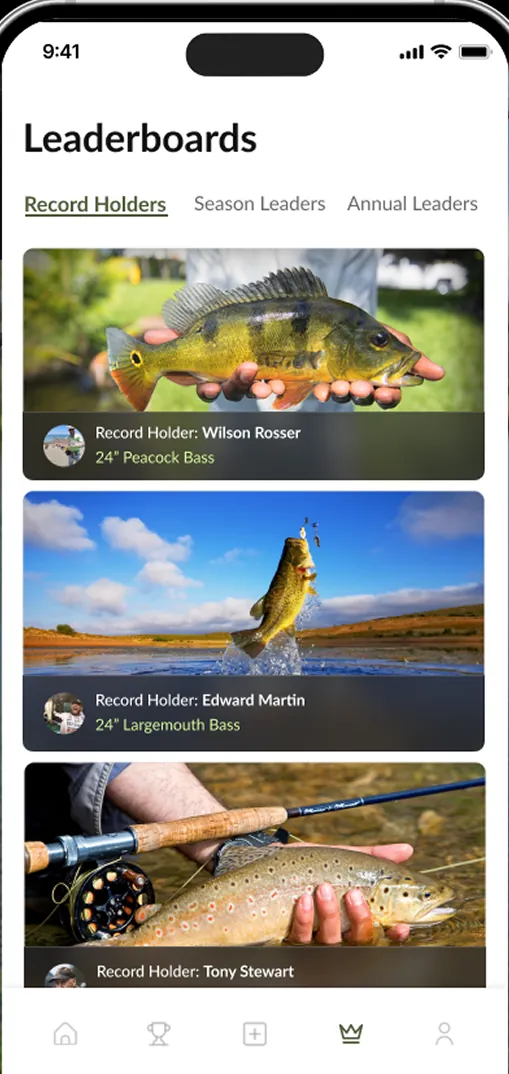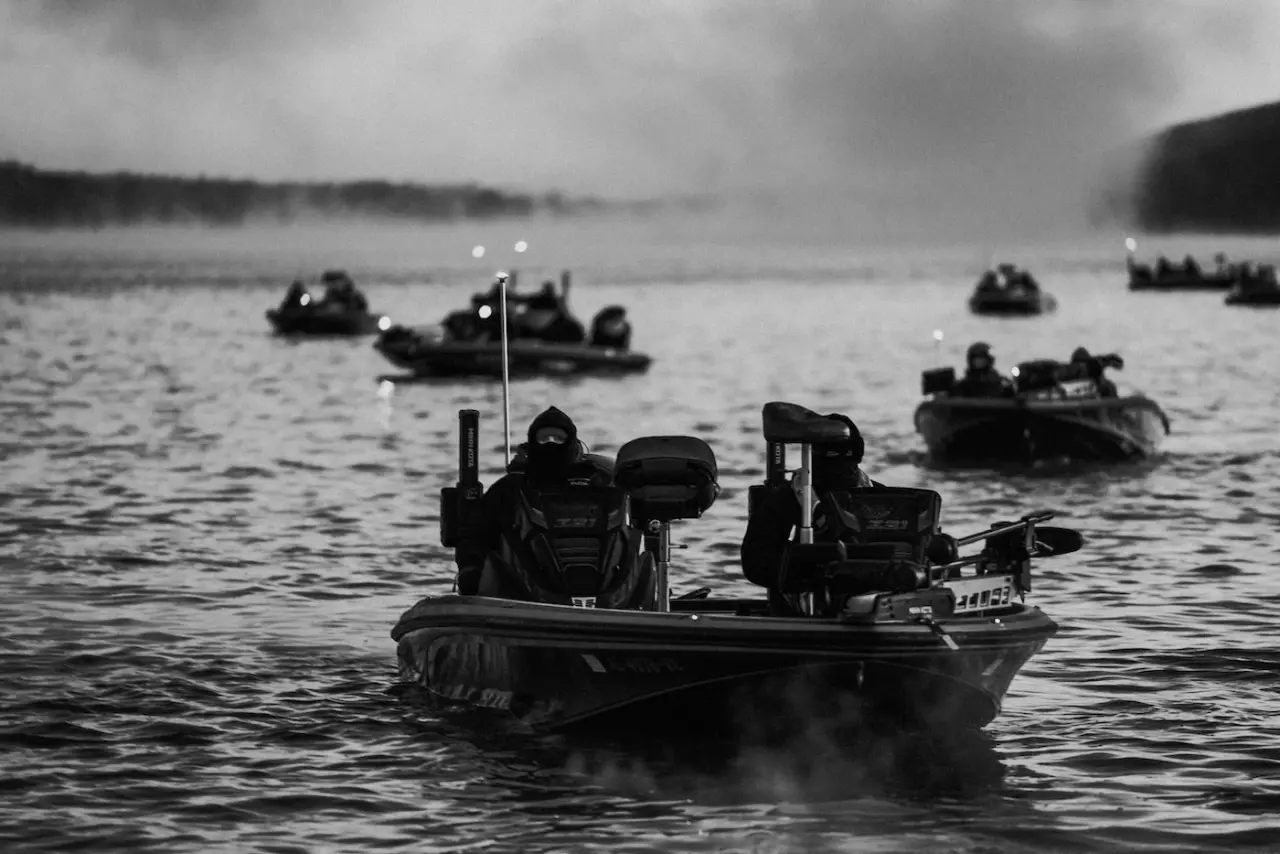
A virtual fishing tournament is a real tournament with real fish, caught in real water, by people who are actually outside. The thing that has been made virtual is the apparatus — the venue, the ramp, the scale, the stage, the queue of boats at four in the afternoon.
That apparatus exists for one reason: to verify that the fish is what you say it is. Replace that function with something better and the rest of it has no reason to exist.
Tournaments you can enter
8 Weekly Bags · best five fish by length Mon–Sun · a new week every Monday Catch and release · measured from your photo
Multi-species slams
A slam is three species inside the same Monday-to-Sunday week, one of each. Miss one and you do not post a score, which makes it a different problem from a bag.
How the verification works
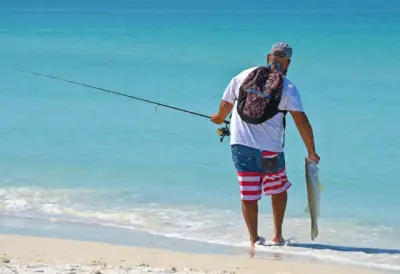
You lay the fish flat and point your phone at it. The app reads the fish's length from the image against the measuring border rather than accepting a number you type in, and an on-device model ranks the likely species from the same photograph for you to confirm.
The fish goes back in the water and the entry appears on a live leaderboard within seconds, visible to every other competitor in that tournament for its whole duration. Anything that looks wrong can be reported and reviewed.
That last part matters as much as the measurement. A tournament with no referee works when every competitor can see every entry.
What is not virtual
The fish, the water, the weather and the effort. You still have to find them and catch them, and nobody is handing you a fish because you paid for one.
There is no simulation, no game layer and no made-up fish. If you blank for a week, you blank — which is the same deal a conventional tournament offers, minus the drive.
The two formats
Weekly Bags run Monday through Sunday on a single species, scored on the length of your best five fish, with automatic culling once your bag is full.
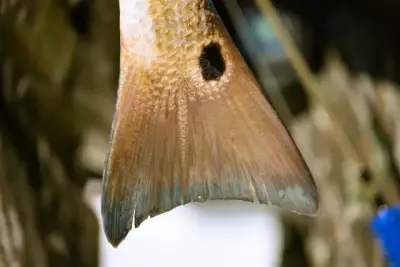
Slams run the same seven-day window across three species, one of each — miss one and you post no score. The Cold Water Slam wants a pike, a walleye and a yellow perch in the same week; the Florida Slam wants a redfish, a snook and a seatrout.
Common questions
Is this a fishing game?
No. Every fish is a real fish you caught in real water. The tournament structure is what is virtual, not the fishing.
How do you know the fish is as big as I say?
You do not say. The app measures the length from your photograph against the measuring border, and proposes the species from the same image.
Can people cheat?
Measurement is from the image rather than typed, and every entry is visible to every other competitor for the duration of the tournament and can be reported and reviewed.
Do I compete against people in my state only?
Weekly bags are nationwide boards. Custom tournaments on paid tiers can be locked to a state, a region or a boundary you draw on a map.
It is not just one fish, and it is not just one state
23 species have a tournament running — 22 weekly bags and 4 multi-species slams — open across all 50 US states and 13 Canadian provinces. Whichever of these you actually fish for, there is a leaderboard for it this week.
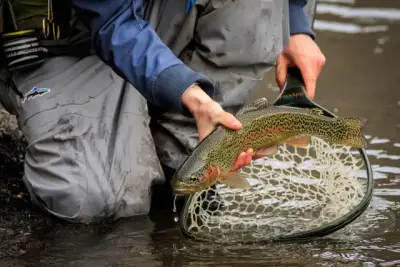 Rainbow Trout 58 states & provinces
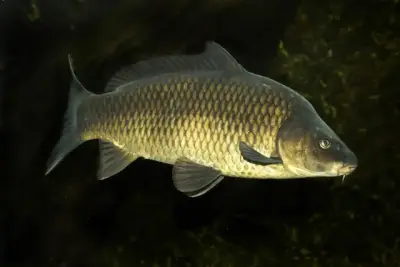 Common Carp 56 states & provinces
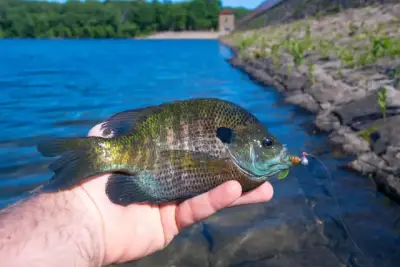 Bluegill 55 states & provinces
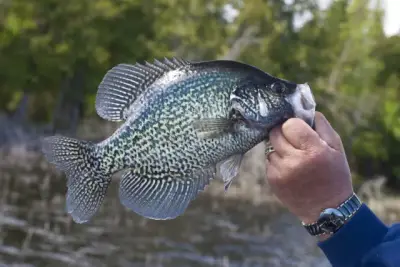 Crappie 53 states & provinces
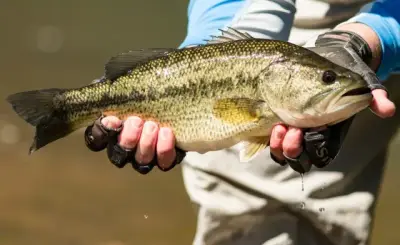 Largemouth Bass 53 states & provinces
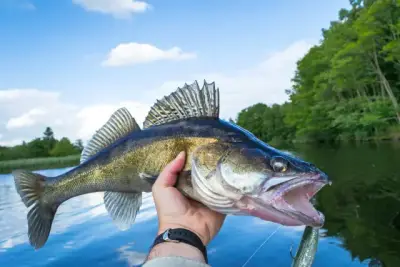 Walleye 53 states & provinces
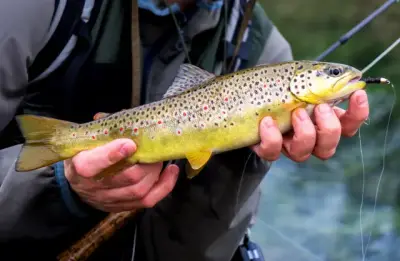 Brown Trout 52 states & provinces
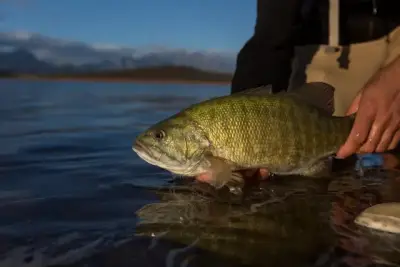 Smallmouth Bass 51 states & provinces
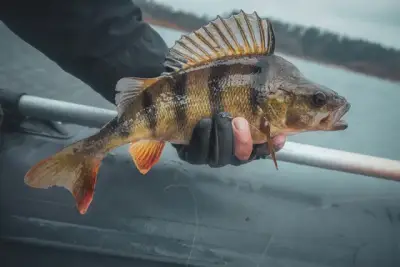 Yellow Perch 50 states & provinces
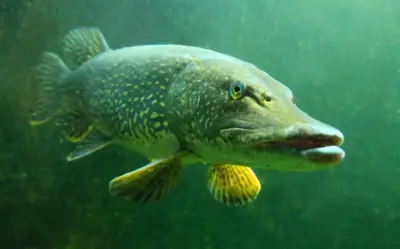 Northern Pike 46 states & provinces
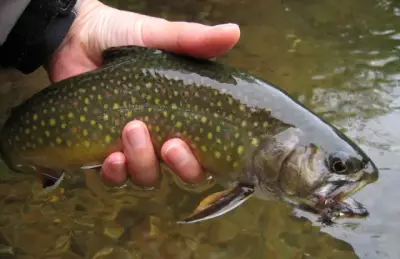 Brook Trout 45 states & provinces
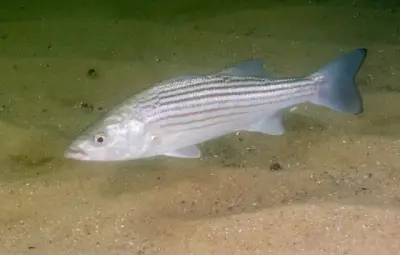 Striped Bass 42 states & provinces
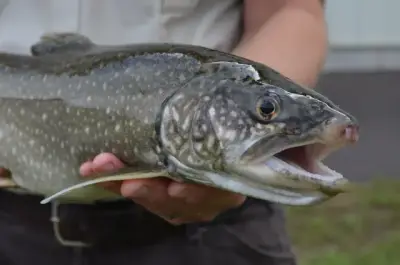 Lake Trout 32 states & provinces
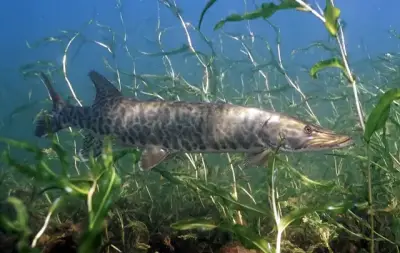 Muskellunge 32 states & provinces
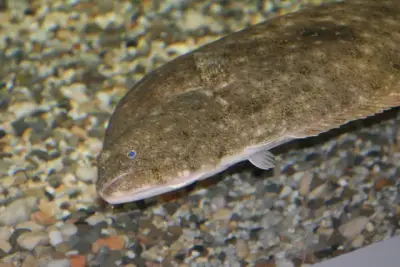 Flounder 28 states & provinces
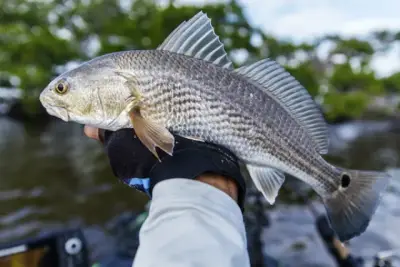 Red Drum 14 states & provinces
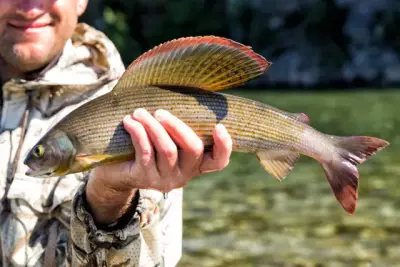 Arctic Grayling 12 states & provinces
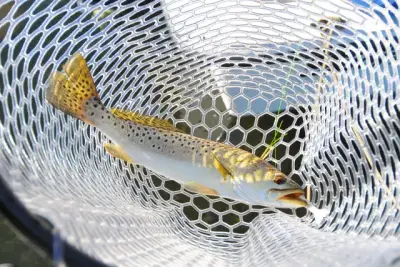 Spotted Seatrout 12 states & provinces
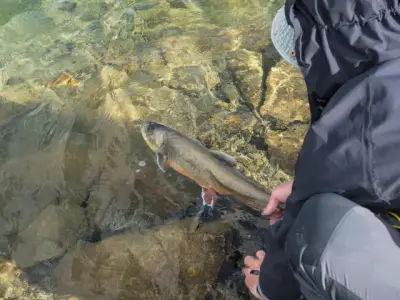 Arctic Char 9 states & provinces
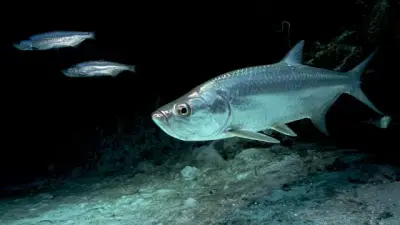 Tarpon 9 states & provinces
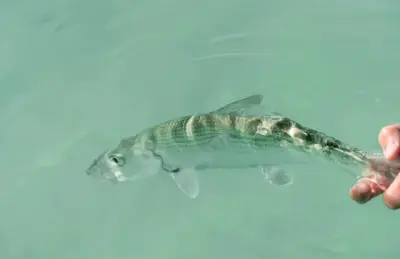 Bonefish 2 states & provinces
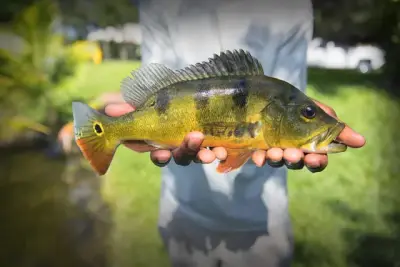 Peacock Bass 2 states & provinces
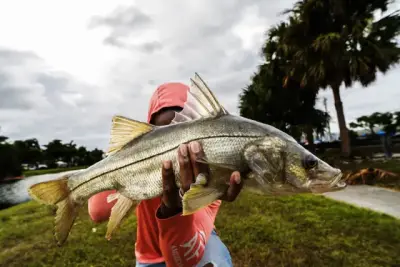 Snook 2 states & provinces
Check your regulations before you go. Seasons, size limits, slot limits, bag limits and access rules change and vary by individual water body. Confirm the current rules with the relevant state or provincial fish and wildlife agency.