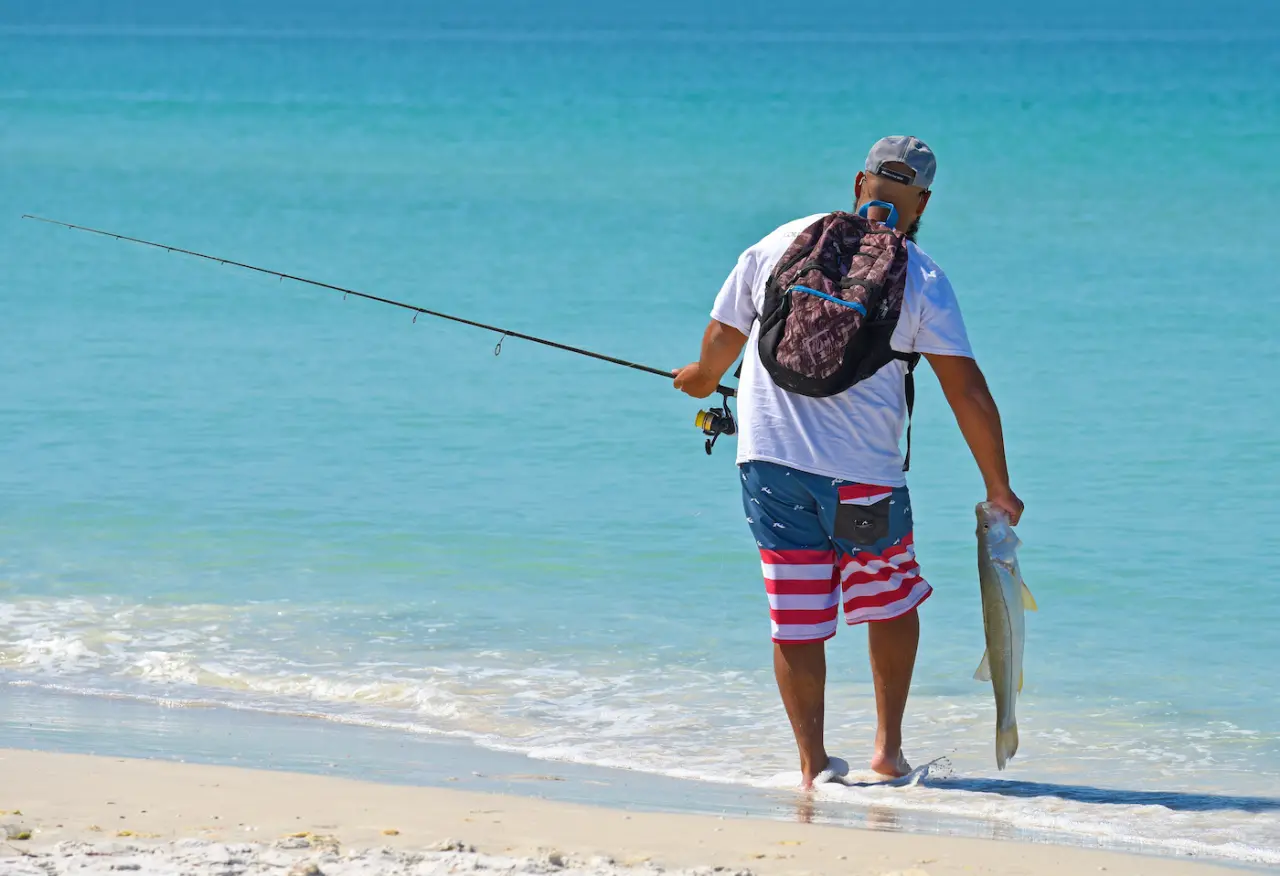
Snook and tarpon draw a hard line on the map. Both need warm water, and in the United States that means Florida and the southern Texas coast and essentially nowhere else. Put them together with redfish and speckled trout — which range far wider — and you get a four-species inshore fishery that only two states can offer.
That is why this page covers two states and not twelve. The fishery genuinely stops.
Tournaments you can enter
4 Weekly Bags · best five fish by length Mon–Sun · a new week every Monday Catch and release · measured from your photo
Multi-species slams
A slam is three species inside the same Monday-to-Sunday week, one of each. Miss one and you do not post a score, which makes it a different problem from a bag.
Four species, four boards, and the Florida Slam
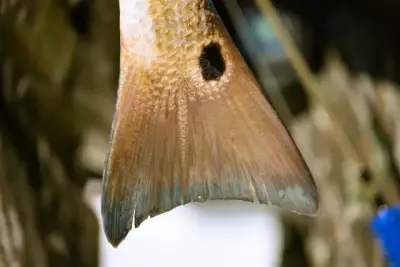
Red Drum and Spotted Seatrout are the everyday fish — catchable from a kayak, a flats boat or the bank, most of the year.
Snook is the structure fish: bridges, docks, passes and mangrove edges, and a fish with a short temper and a hard mouth. Tarpon is the outlier in every sense — a hundred-pound fish caught on purpose in shallow water, mostly from April through the summer.
The Florida Slam asks for a red drum, a snook and a spotted seatrout inside one Monday-to-Sunday week. On the right week in the Indian River or Tampa Bay that is a morning's work; on the wrong week it is not possible at all.
A hundred-pound fish you never lift
Tarpon are the clearest case for measuring from a photograph. A big tarpon cannot be lifted out of the water without hurting it, cannot be put in a livewell, and in Florida cannot legally be removed from the water at all above a certain size.
Measuring from an image taken boatside is the only way such a fish can be entered into any tournament honestly. The same applies, less dramatically, to a big snook in summer. Check the current Florida and Texas regulations before you fish — both states manage snook and tarpon tightly and the rules change.
Canals, passes and the fish behind the condo
A lot of the best inshore fishing in both states happens in water that looks like nothing: residential canals, bridge shadows, spoil islands, drainage cuts behind shopping centres. Snook in particular live there in numbers.
Nothing about these tournaments is tied to a venue, so that water counts exactly as much as a guided day on the flats. For an angler without a boat in Miami, Tampa or Corpus Christi, that is most of the point.
Where this counts
Every state and province below is tournament water for the species on this page. Nothing is tied to a venue, so a bank angler and a boat angler fish the same tournament — you just fish your own water.
Common questions
Why only Florida and Texas?
Snook and tarpon need warm water and are only genuinely targeted in those two states. A page claiming a snook tournament in Georgia would be promising a fishery that does not exist there.
What is the Florida Slam?
A red drum, a snook and a spotted seatrout inside the same Monday-to-Sunday week, one of each. All three are needed to post a score.
How do you measure a tarpon?
From a photograph taken with the fish alongside, which is also what the regulations require — large tarpon must stay in the water.
Can I fish this from shore?
Yes. Bridges, jetties, seawalls and canal banks produce a great deal of the snook and redfish caught in both states, and they score identically.
It is not just one fish, and it is not just one state
23 species have a tournament running — 22 weekly bags and 4 multi-species slams — open across all 50 US states and 13 Canadian provinces. Whichever of these you actually fish for, there is a leaderboard for it this week.
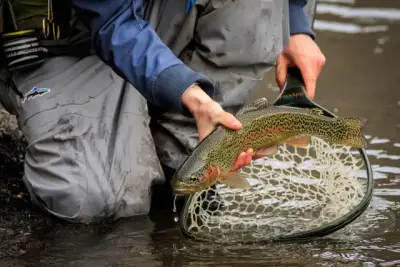 Rainbow Trout 58 states & provinces
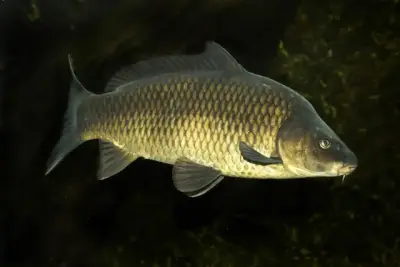 Common Carp 56 states & provinces
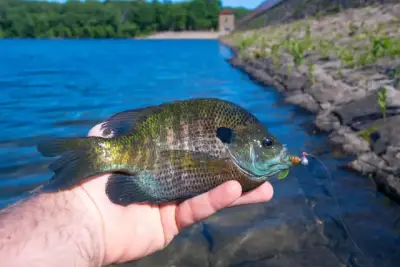 Bluegill 55 states & provinces
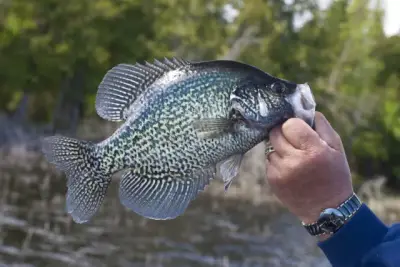 Crappie 53 states & provinces
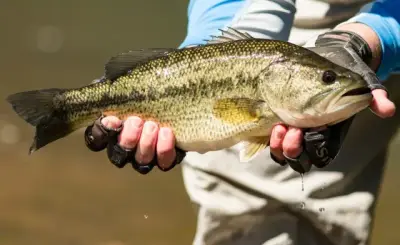 Largemouth Bass 53 states & provinces
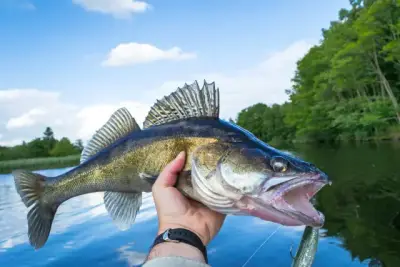 Walleye 53 states & provinces
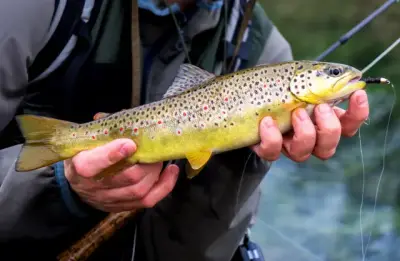 Brown Trout 52 states & provinces
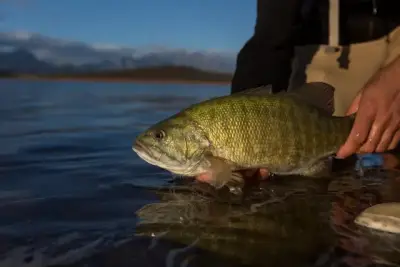 Smallmouth Bass 51 states & provinces
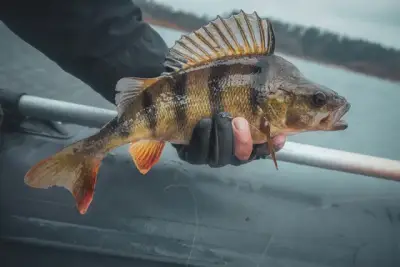 Yellow Perch 50 states & provinces
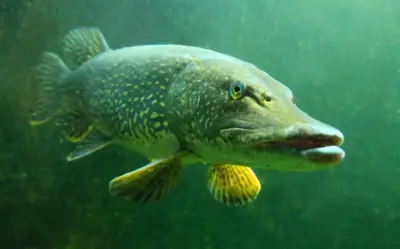 Northern Pike 46 states & provinces
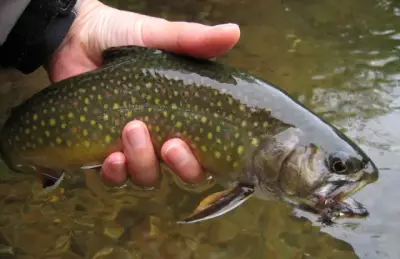 Brook Trout 45 states & provinces
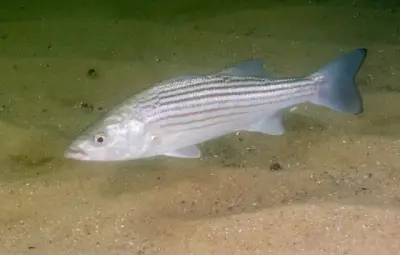 Striped Bass 42 states & provinces
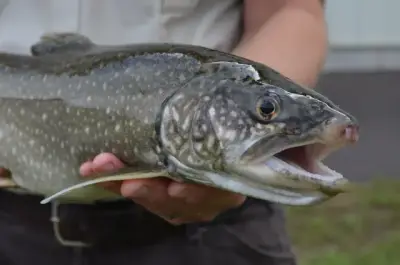 Lake Trout 32 states & provinces
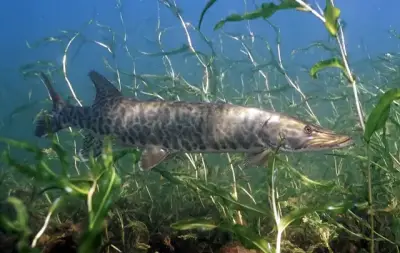 Muskellunge 32 states & provinces
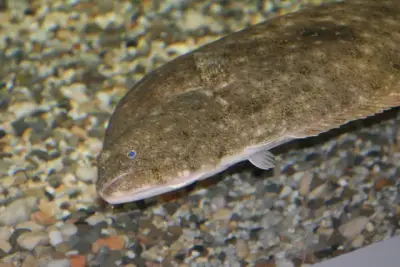 Flounder 28 states & provinces
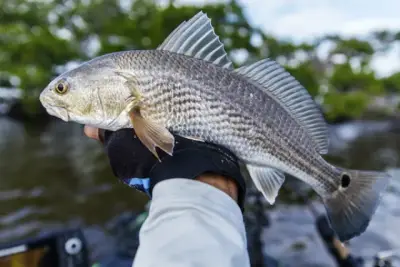 Red Drum 14 states & provinces
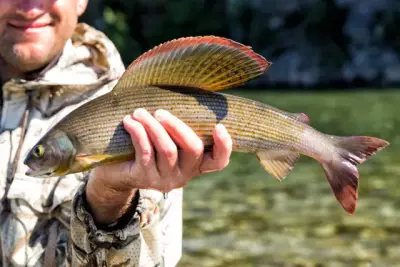 Arctic Grayling 12 states & provinces
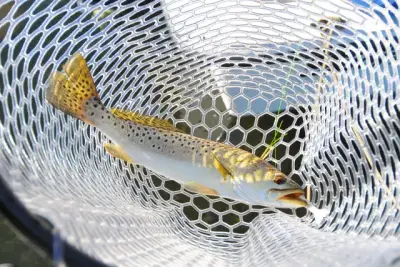 Spotted Seatrout 12 states & provinces
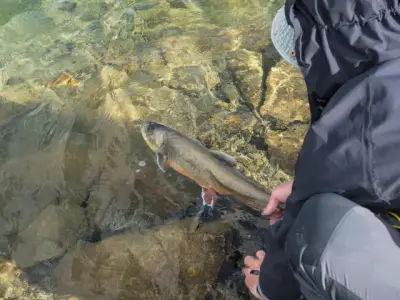 Arctic Char 9 states & provinces
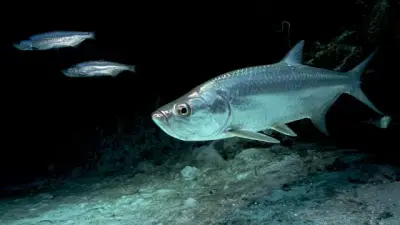 Tarpon 9 states & provinces
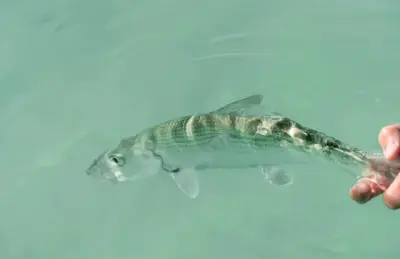 Bonefish 2 states & provinces
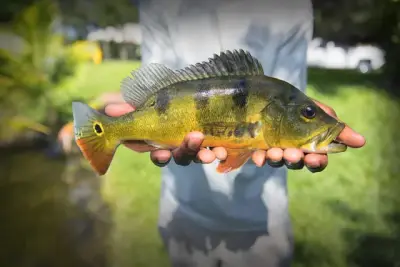 Peacock Bass 2 states & provinces
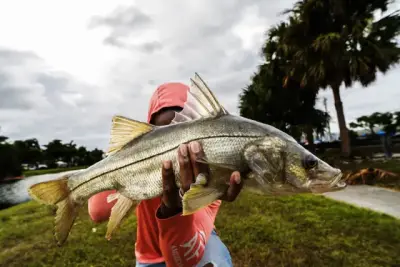 Snook 2 states & provinces
Check your regulations before you go. Seasons, size limits, slot limits, bag limits and access rules change and vary by individual water body. Confirm the current rules with the relevant state or provincial fish and wildlife agency.