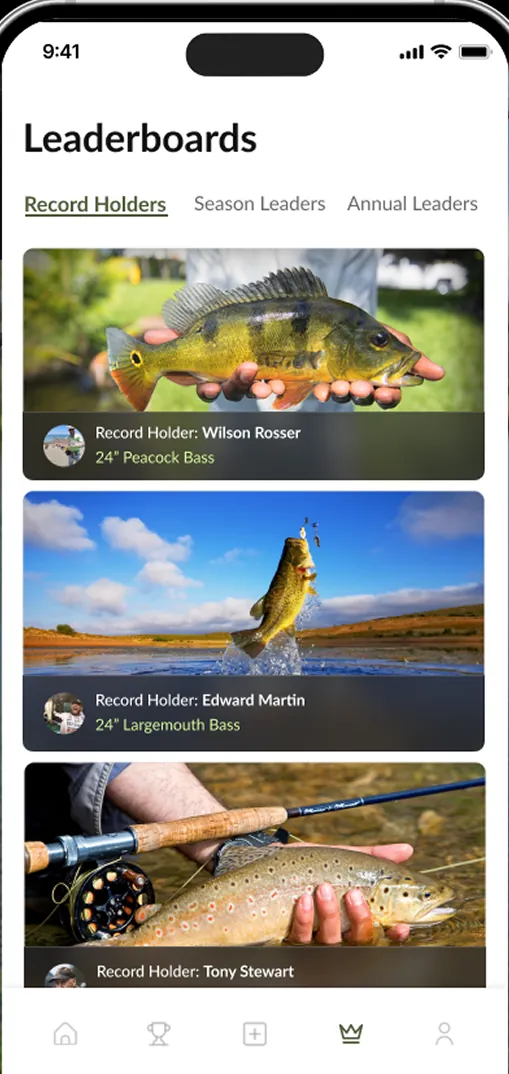
Organised fishing in Kentucky mostly means a boat, a trailer, an entry fee and a Saturday given over to being somewhere specific at a specific hour. If you fish from a bank, a kayak or a small boat — which is how most people here actually fish — very little of it is open to you.
This is the same sport with the logistics removed. 10 weekly tournaments are running for species caught in Kentucky, you fish your own water on your own schedule, and the competition is the fish.
Tournaments you can enter from Kentucky
10 Weekly Bags · best five fish by length Mon–Sun · a new week every Monday Catch and release · measured from your photo
 Largemouth Bass
 Smallmouth Bass
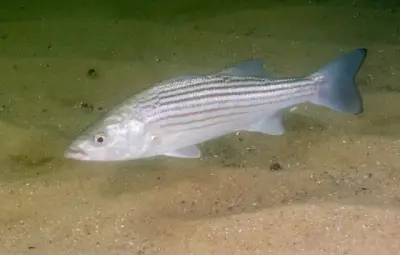 Striped Bass
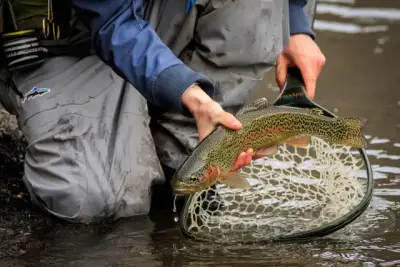 Rainbow Trout
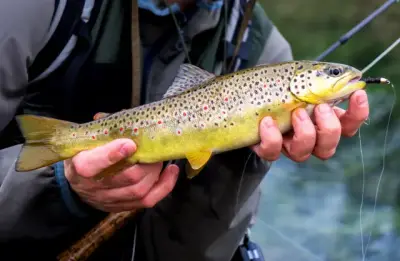 Brown Trout
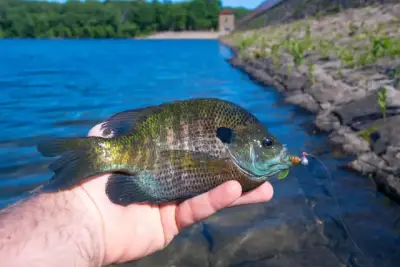 Bluegill
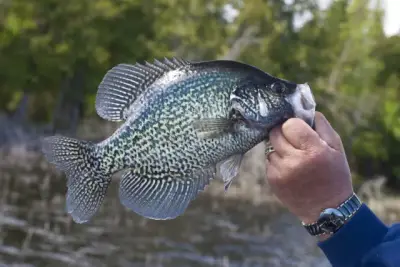 Crappie
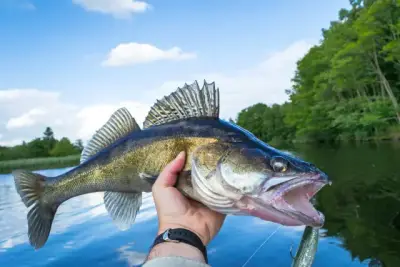 Walleye
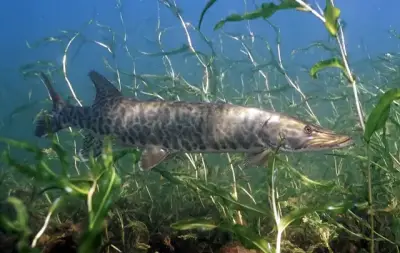 Muskellunge
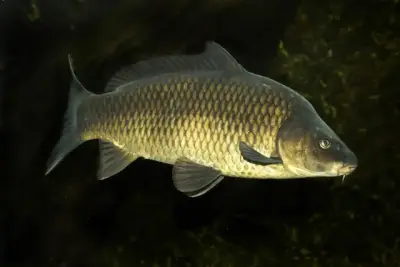 Common Carp
Multi-species slams
A slam is three species inside the same Monday-to-Sunday week, one of each. Miss one and you do not post a score, which makes it a different problem from a bag.
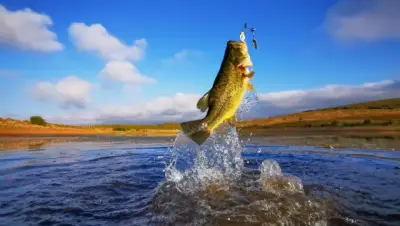
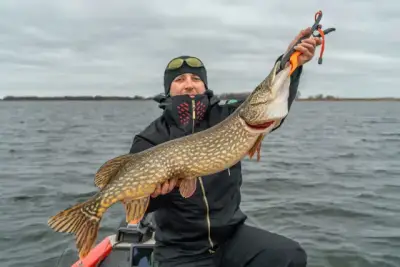
What is running in Kentucky this week
10 of the weekly bags are for species genuinely targeted in Kentucky: Largemouth Bass, Smallmouth Bass, Striped Bass, Rainbow Trout, Brown Trout, Bluegill, Crappie and Walleye, among others. Each runs Monday through Sunday and is scored on the length of your best five fish.
2 slams are in range here — Freshwater Slam and Cold Water Slam — asking for three species inside the same week, one of each.
Crappie in spring on Kentucky Lake and Barkley, stripers on Cumberland through summer, and the Ohio River running year round.
There is no venue and no start line. Kentucky Lake, Lake Cumberland and the Ohio River all count, and so does the pond at the end of your road.
Three species that define Kentucky fishing
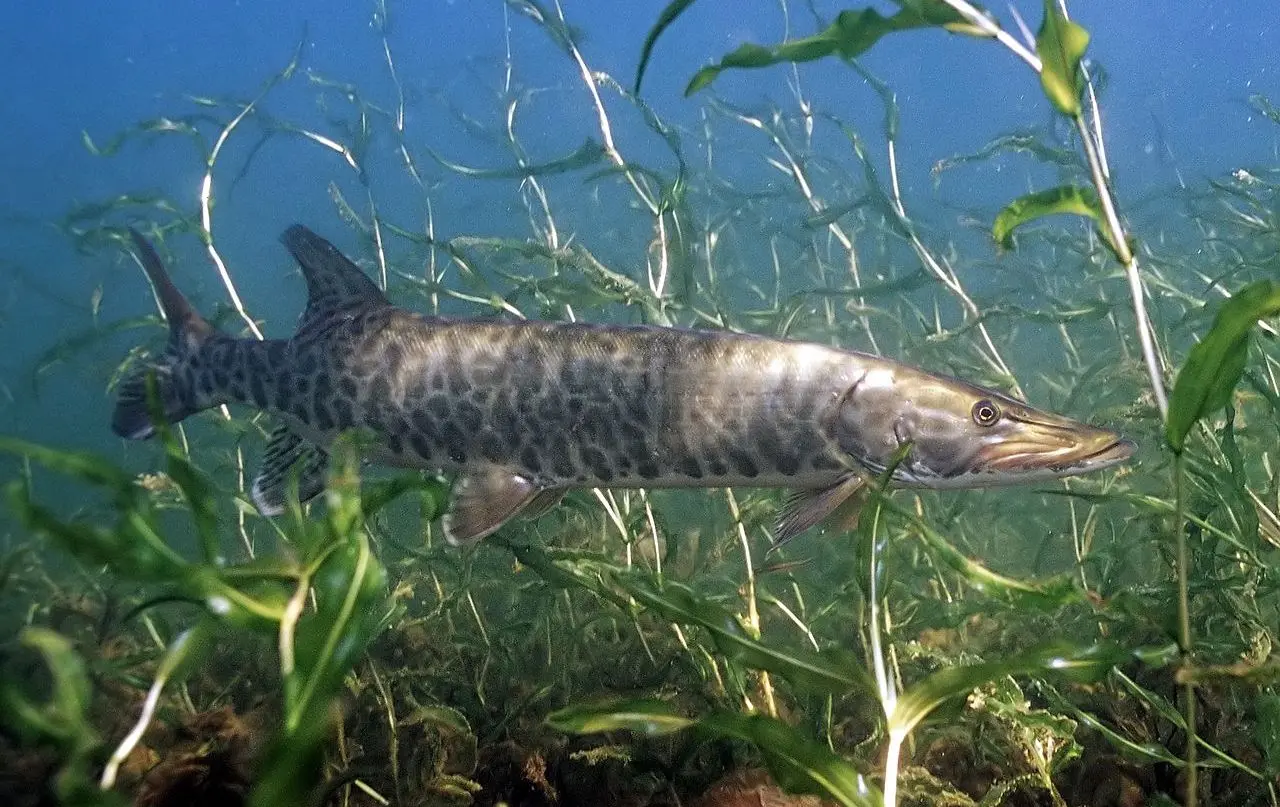
Muskellunge. Native to the Great Lakes basin, the Ohio and upper Mississippi drainages, and the St. Lawrence system. Stocked into reservoirs and rivers from Virginia and West Virginia through Kentucky, Tennessee and the upper South, and across Wisconsin, Minnesota, Michigan, New York, Pennsylvania and Ontario.
Striped Bass. Native along the Atlantic from the Canadian Maritimes to northern Florida, and introduced into the Gulf, the Pacific coast, and hundreds of inland reservoirs from Virginia to Texas to California. A landlocked striper in an Oklahoma reservoir and a migratory striper in Massachusetts are the same species living completely different lives.
Smallmouth Bass. Native to the Great Lakes, Ohio and upper Mississippi basins; now established across the northern two-thirds of the US and into Ontario, Quebec and the Maritimes. Largely absent from Florida and the Gulf coastal plain, where water is too warm and too soft-bottomed.
Each of those runs its own weekly leaderboard, so a day that produces two of them puts fish on two boards.
Where Kentucky anglers fish them
Kentucky Lake and Barkley together make one of the largest crappie and largemouth fisheries in the country, Lake Cumberland runs striped bass, and the Ohio River holds everything from sauger to blue catfish.
The waters that come up most: Kentucky Lake, Lake Cumberland, the Ohio River, Barren River Lake and Lake Barkley.
Land Between the Lakes has over three hundred miles of undeveloped shoreline, nearly all of it walk-in.
Kentucky runs both sides at once: Striped Bass on the salt and Largemouth Bass, Smallmouth Bass and Crappie inland, each on its own board.
Why there is no weigh-in
A conventional state tournament needs you at a ramp at a set hour with a livewell and a boat to put it in. That rules out most people who fish, and all of them who fish Kentucky Lake from the bank.
Fish Masters Live measures the fish off your photograph instead. You lay it flat, point the camera, and the app reads the length from the image and proposes the species — you are not typing a number and asking anyone to believe it. The fish goes back where it came from and the entry is live within seconds.
Common questions
Is there a fishing tournament near me in Kentucky?
Yes — 10 weekly tournaments are open to Kentucky anglers right now, entered from wherever you already fish. There is no venue, so "near me" is wherever you are standing.
Do I need a boat to compete?
No. Scoring is on the length of individual fish, so bank, kayak and boat anglers enter the same board on the same terms. A large share of entries come from shore.
Can I fish Kentucky Lake in one of these?
Yes, and the creek behind your house in the same tournament. Nothing is tied to a venue — the tournament is the week, not the place.
What does it cost to enter?
Nothing. Free to download and free to compete. Paid tiers lift the cap on simultaneous tournaments and add a fishing log and custom tournaments, sold only through the App Store.
Which fish count in Kentucky?
Largemouth Bass, Smallmouth Bass, Striped Bass, Rainbow Trout, Brown Trout, Bluegill, Crappie, Yellow Perch, Walleye, Muskellunge and Common Carp — each on its own weekly leaderboard, plus the Freshwater Slam and Cold Water Slam. A species appears here only if it is genuinely targeted in Kentucky.
It is not just one fish, and it is not just one state
23 species have a tournament running — 22 weekly bags and 4 multi-species slams — open across all 50 US states and 13 Canadian provinces. Whichever of these you actually fish for, there is a leaderboard for it this week.
Rainbow Trout 58 states & provinces Common Carp 56 states & provinces Bluegill 55 states & provinces Crappie 53 states & provinces Largemouth Bass 53 states & provinces Walleye 53 states & provinces Brown Trout 52 states & provinces Smallmouth Bass 51 states & provinces 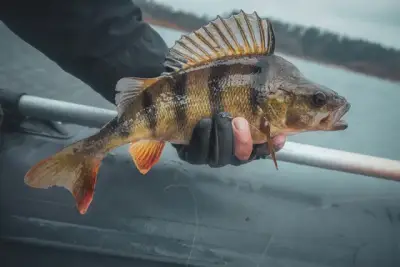 Yellow Perch 50 states & provinces
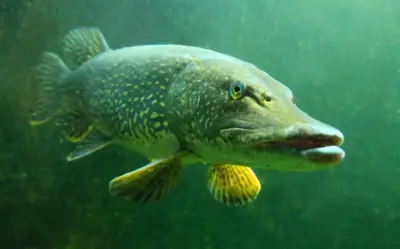 Northern Pike 46 states & provinces
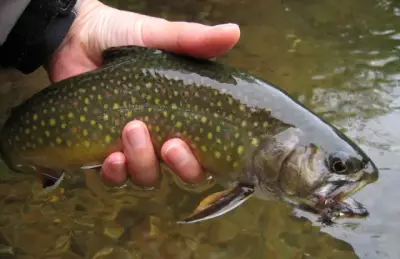 Brook Trout 45 states & provinces Striped Bass 42 states & provinces
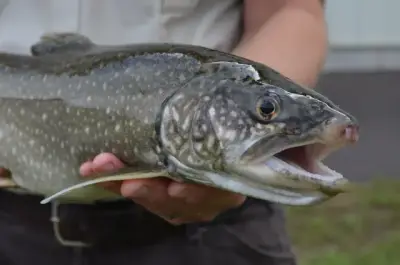 Lake Trout 32 states & provinces Muskellunge 32 states & provinces
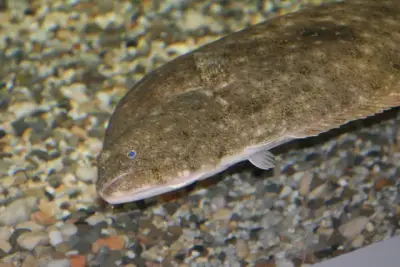 Flounder 28 states & provinces
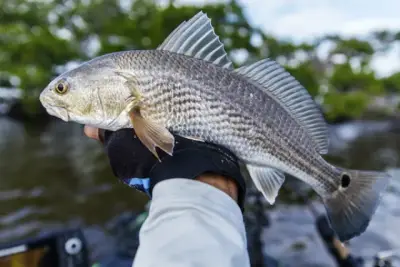 Red Drum 14 states & provinces
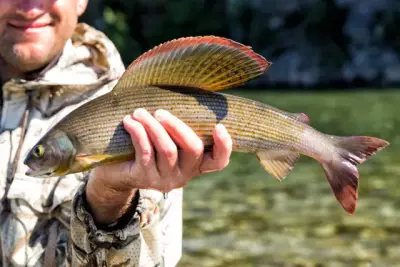 Arctic Grayling 12 states & provinces
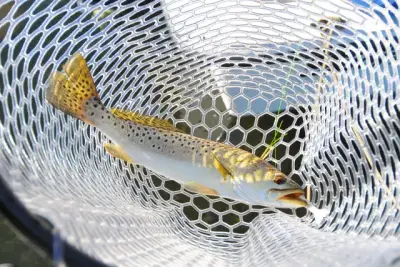 Spotted Seatrout 12 states & provinces
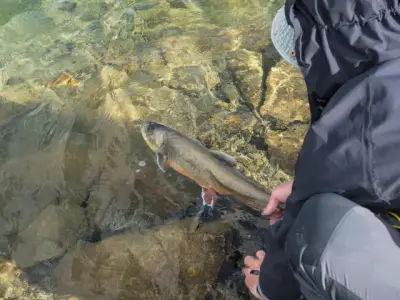 Arctic Char 9 states & provinces
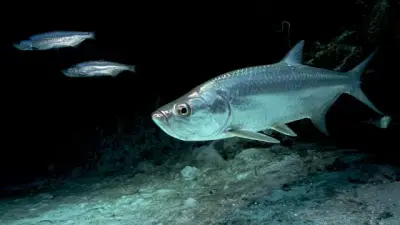 Tarpon 9 states & provinces
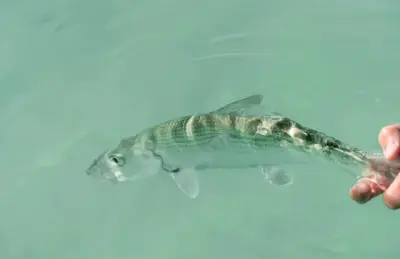 Bonefish 2 states & provinces
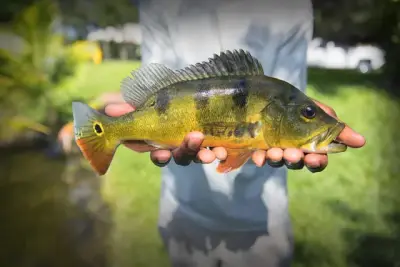 Peacock Bass 2 states & provinces
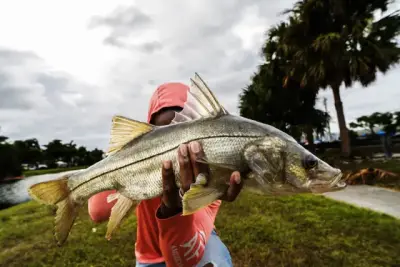 Snook 2 states & provinces
Check your regulations before you go. Seasons, size limits, slot limits, bag limits and access rules change and vary by individual water body. Confirm the current rules with the relevant state or provincial fish and wildlife agency.