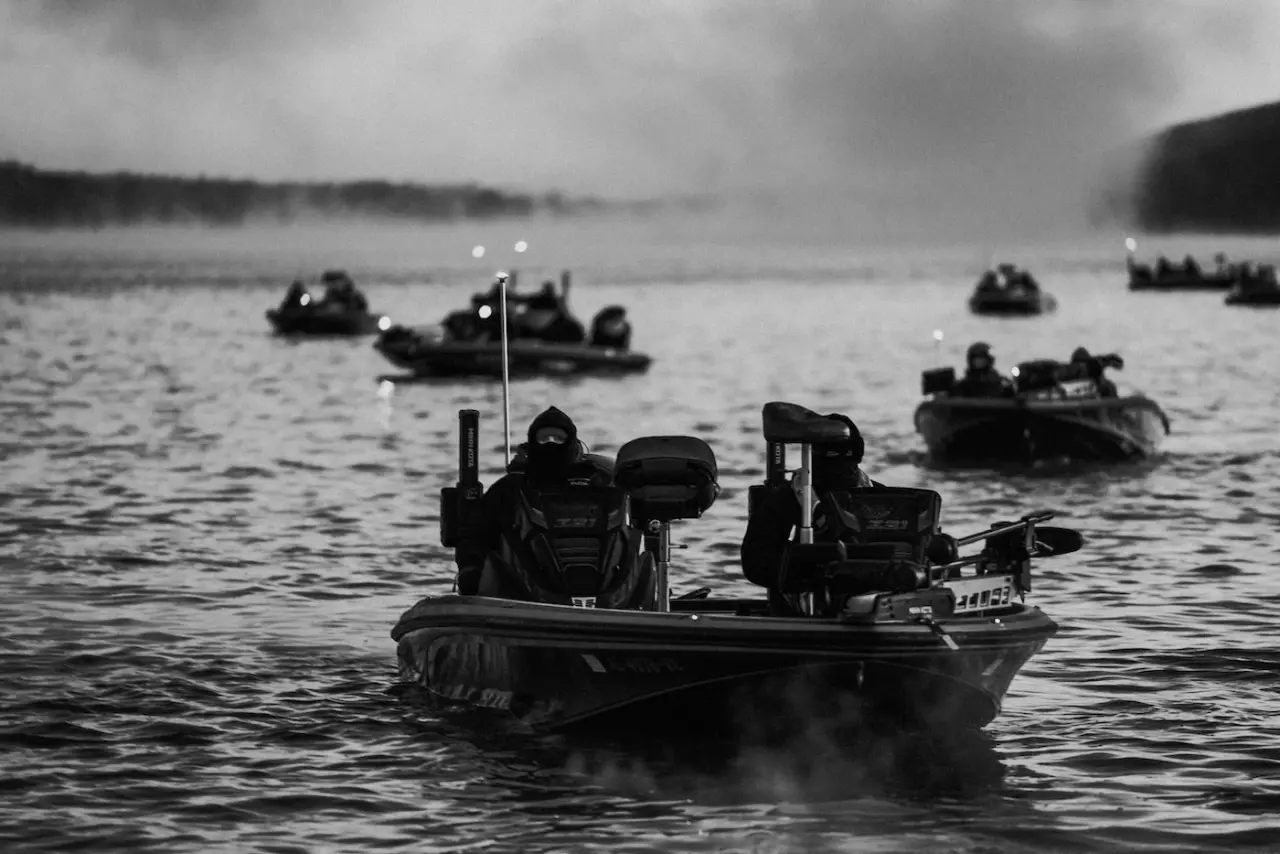
The problem with organised fishing in Canada is distance. A tournament held somewhere is, by definition, not held where most Canadians fish, and in much of the country the nearest event is several hundred kilometres away.
A tournament that has no venue does not have that problem. The Monday-to-Sunday week runs the same in Thunder Bay, Yellowknife and suburban Ottawa.
Tournaments you can enter
2 Weekly Bags · best five fish by length Mon–Sun · a new week every Monday Catch and release · measured from your photo
Multi-species slams
A slam is three species inside the same Monday-to-Sunday week, one of each. Miss one and you do not post a score, which makes it a different problem from a bag.
The fish that run everywhere
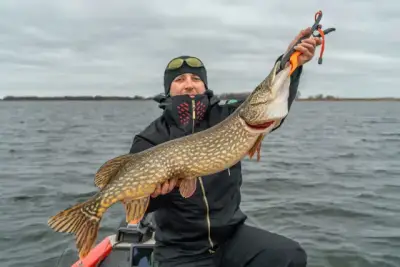
Northern Pike and Walleye are the two species that genuinely span the country, from the Ottawa River to Great Slave Lake, and both run their own weekly bag scored on length.
Yellow Perch anchors the Cold Water Slam with them — a pike, a walleye and a perch inside the same week.
The trout species run here too: lake trout, brook trout, arctic char and arctic grayling all have weekly bags of their own, and across the North they are often the most available fish rather than the exotic one.
Hard water is half the year
In most of Canada the ice season is not a footnote. It is four to six months of the fishing year, and for a great many anglers it is the better half.
Every weekly bag runs through it. A walleye through the ice on Lake Simcoe and a walleye from a boat on the Bay of Quinte enter the same board, measured the same way. The app works on a phone in a heated shack as well as it does on a gunwale in July.
Measured in centimetres or inches, released either way
Everything is scored on length from a photograph and released. Nothing is kept, which sidesteps the possession and transport rules that make conventional tournaments complicated across provincial lines.
Check your provincial regulations before you fish — seasons, size limits and barbless requirements differ by province and often by individual water body, and they change.
Where this counts
Every state and province below is tournament water for the species on this page. Nothing is tied to a venue, so a bank angler and a boat angler fish the same tournament — you just fish your own water.
Common questions
Is the app available in Canada?
Yes. Tournaments are open across all provinces and territories, and Canadian anglers compete on the same leaderboards as US anglers.
Does ice fishing count?
Yes, identically. The weekly bags run year round and a hard-water fish is entered exactly like an open-water one.
Which provinces are covered?
All of them. This page covers Ontario, Quebec, Manitoba, Saskatchewan, Alberta, British Columbia, New Brunswick, the Northwest Territories and the Yukon for pike, walleye and perch; other species range further.
Do I need to convert to inches?
No. The app measures the fish from your photograph and handles the units.
It is not just one fish, and it is not just one state
23 species have a tournament running — 22 weekly bags and 4 multi-species slams — open across all 50 US states and 13 Canadian provinces. Whichever of these you actually fish for, there is a leaderboard for it this week.
 Rainbow Trout 58 states & provinces
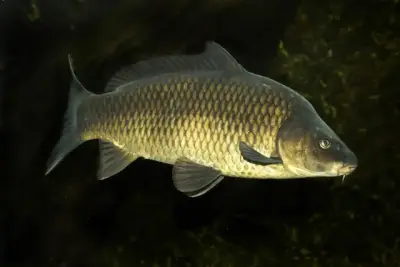 Common Carp 56 states & provinces
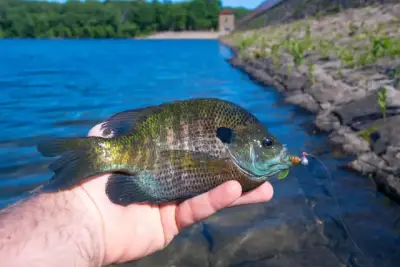 Bluegill 55 states & provinces
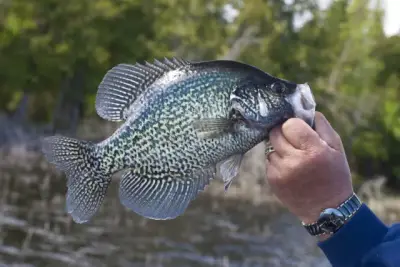 Crappie 53 states & provinces
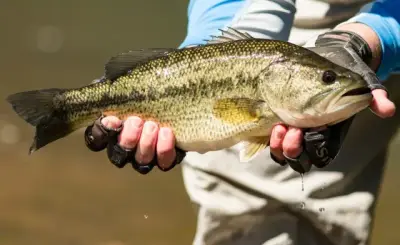 Largemouth Bass 53 states & provinces
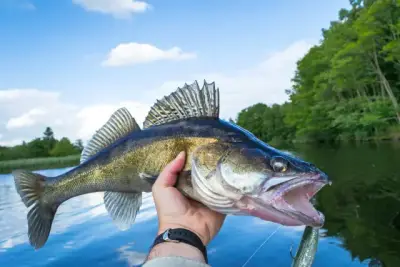 Walleye 53 states & provinces
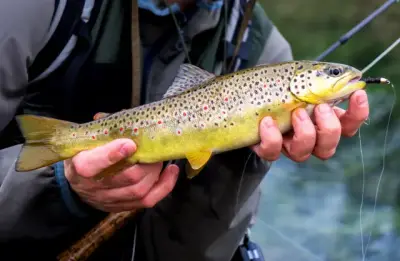 Brown Trout 52 states & provinces
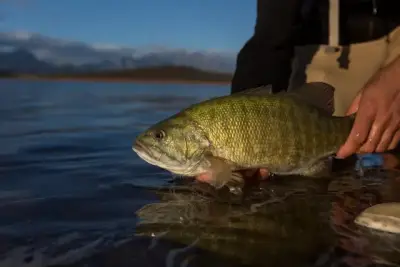 Smallmouth Bass 51 states & provinces
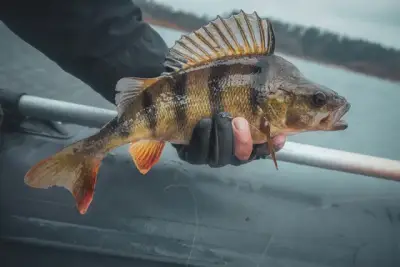 Yellow Perch 50 states & provinces
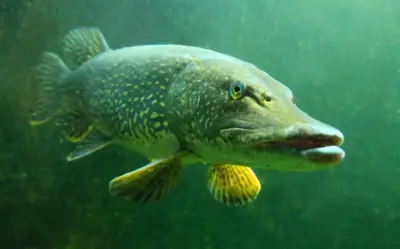 Northern Pike 46 states & provinces
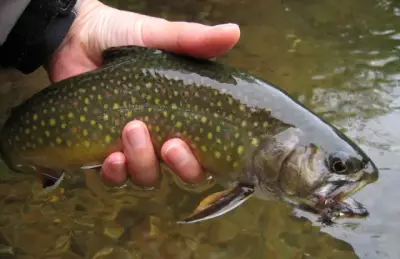 Brook Trout 45 states & provinces
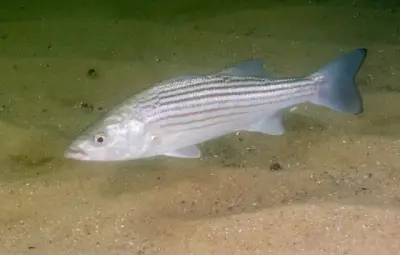 Striped Bass 42 states & provinces
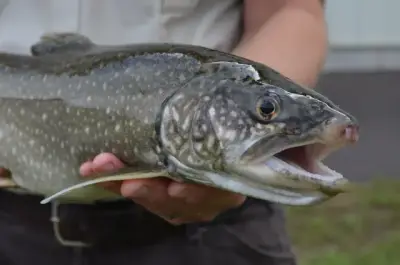 Lake Trout 32 states & provinces
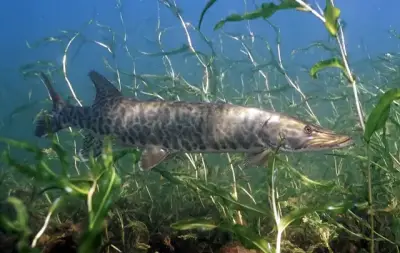 Muskellunge 32 states & provinces
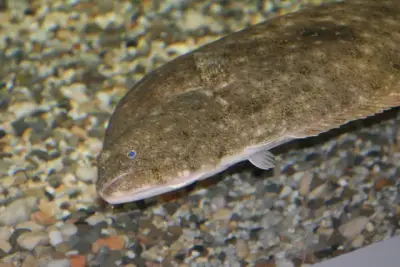 Flounder 28 states & provinces
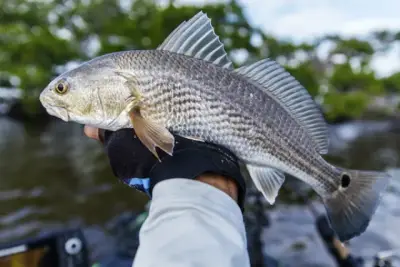 Red Drum 14 states & provinces
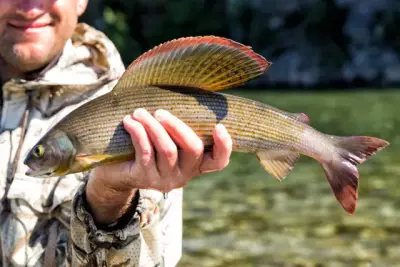 Arctic Grayling 12 states & provinces
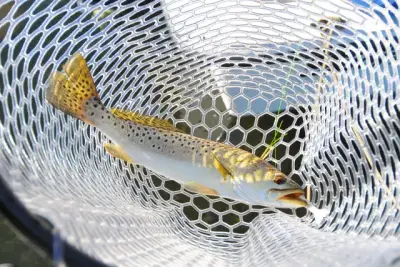 Spotted Seatrout 12 states & provinces
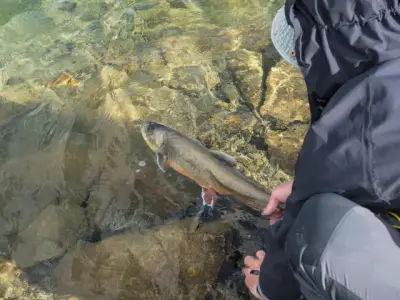 Arctic Char 9 states & provinces
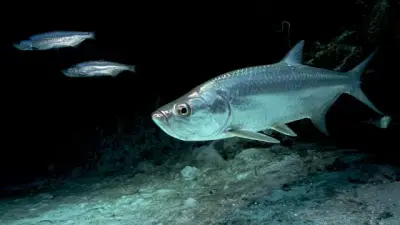 Tarpon 9 states & provinces
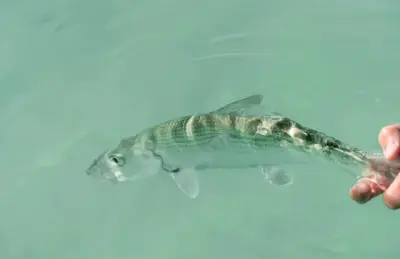 Bonefish 2 states & provinces
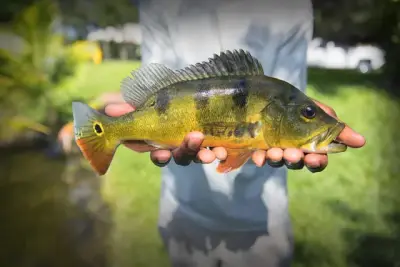 Peacock Bass 2 states & provinces
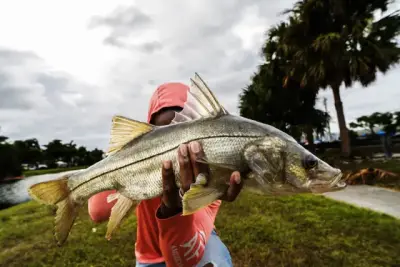 Snook 2 states & provinces
Check your regulations before you go. Seasons, size limits, slot limits, bag limits and access rules change and vary by individual water body. Confirm the current rules with the relevant state or provincial fish and wildlife agency.