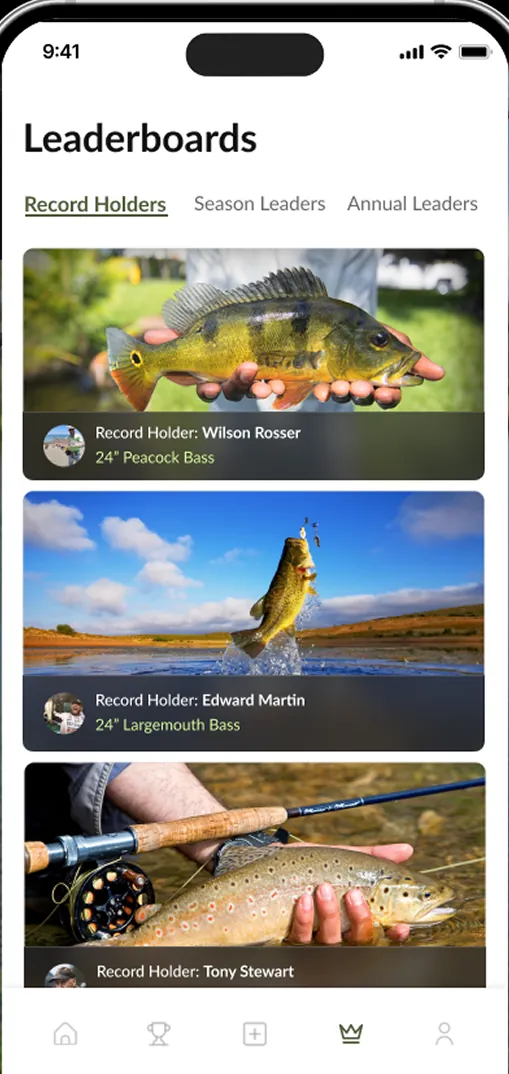
Organised fishing in Alaska mostly means a boat, a trailer, an entry fee and a Saturday given over to being somewhere specific at a specific hour. If you fish from a bank, a kayak or a small boat — which is how most people here actually fish — very little of it is open to you.
This is the same sport with the logistics removed. 6 weekly tournaments are running for species caught in Alaska, you fish your own water on your own schedule, and the competition is the fish.
Tournaments you can enter from Alaska
6 Weekly Bags · best five fish by length Mon–Sun · a new week every Monday Catch and release · measured from your photo
Multi-species slams
A slam is three species inside the same Monday-to-Sunday week, one of each. Miss one and you do not post a score, which makes it a different problem from a bag.
What is running in Alaska this week
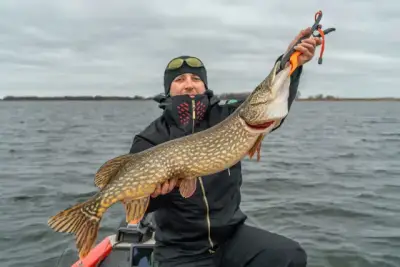
6 of the weekly bags are for species genuinely targeted in Alaska: Rainbow Trout, Lake Trout, Arctic Char, Arctic Grayling, Northern Pike and Flounder. Each runs Monday through Sunday and is scored on the length of your best five fish.
2 slams are in range here — Cold Water Slam and Southeast Salty Slam — asking for three species inside the same week, one of each.
Everything happens between May and September, and the window for any given run can be two weeks long.
There is no venue and no start line. the Kenai River, Bristol Bay and the Kuskokwim River all count, and so does the pond at the end of your road.
The fish worth targeting here
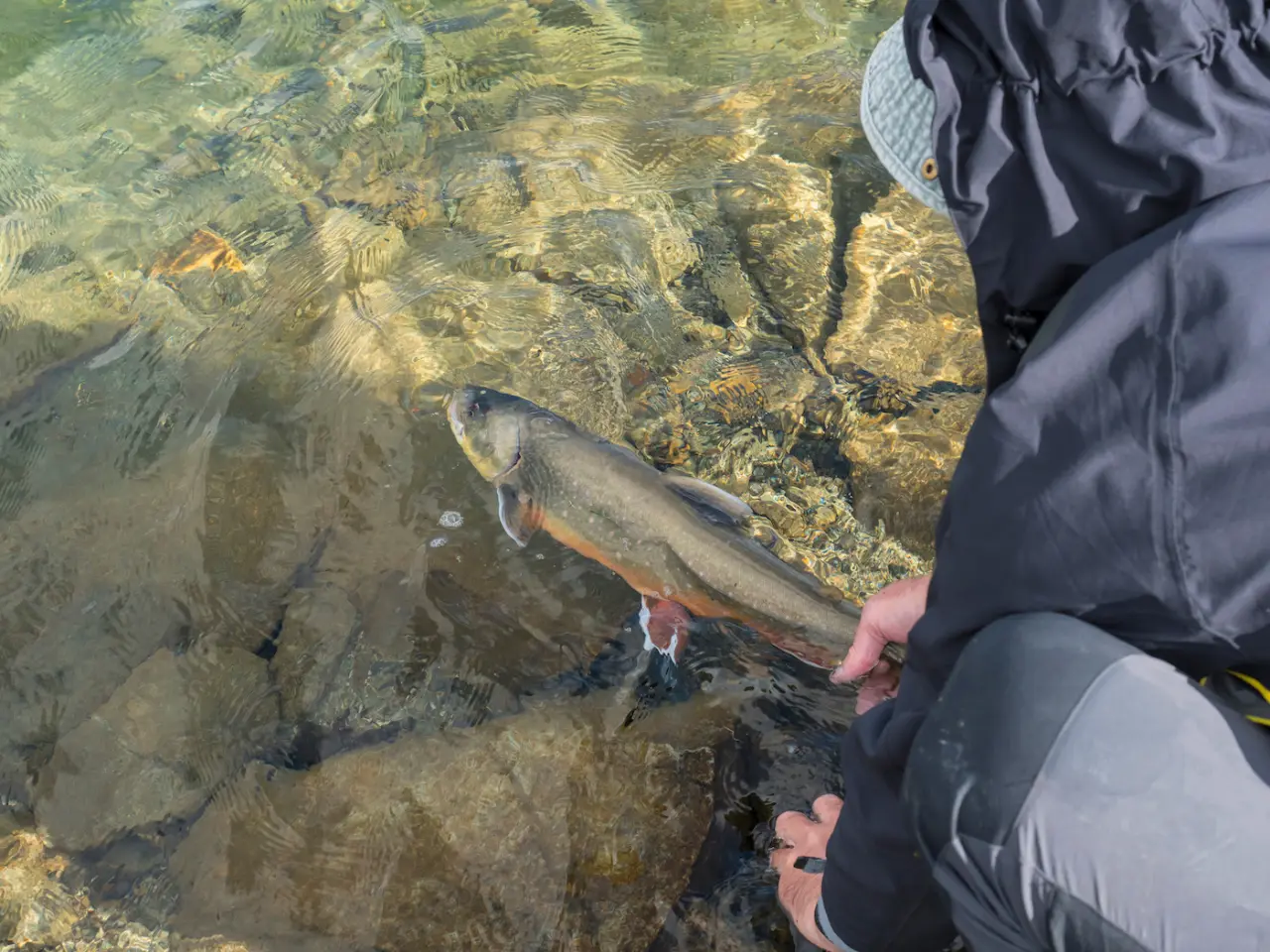
Arctic Char. The northernmost freshwater fish on earth. In North America: Alaska, northern Quebec (Nunavik), Labrador, Nunavut, the Northwest Territories and Yukon, plus isolated relict populations in deep cold lakes in Maine and New Hampshire.
Arctic Grayling. Alaska, Yukon, the Northwest Territories, Nunavut, northern British Columbia, Alberta, Saskatchewan and Manitoba, plus a native relict population in the upper Missouri drainage in Montana and stocked populations in Montana, Wyoming and Utah high lakes.
Flounder. Flounder of one species or another are found on both US coasts and throughout Canada's Atlantic provinces. Summer flounder (fluke) run from Maine to North Carolina; southern flounder from the Carolinas around to Texas; winter flounder from the Canadian Maritimes to the mid-Atlantic; and starry flounder and various soles along the Pacific.
Each of those runs its own weekly leaderboard, so a day that produces two of them puts fish on two boards.
Access: what you actually need
A different scale entirely. Rainbow trout, arctic char, grayling and pike across a state with more coastline than the rest of the country combined, and a season compressed into a few intense months.
The waters that come up most: the Kenai River, Bristol Bay, the Kuskokwim River and the Susitna River.
Much of Alaska's best water is road-accessible along the Kenai and Parks highways, and the rest is a flight.
The inshore fishing is the draw — Flounder — and waders or a kayak are enough to compete.
What stops somebody cheating
This is the question every tournament without a referee has to answer, and a photograph with a number typed underneath does not answer it.
The length is read off the image against the measuring border rather than entered by hand, and the species is proposed from the same photograph. Every entry is then visible to every other competitor for the length of the tournament, where it can be reported and reviewed. The verification is what makes the rest of it possible.
Common questions
Is there a fishing tournament near me in Alaska?
Yes — 6 weekly tournaments are open to Alaska anglers right now, entered from wherever you already fish. There is no venue, so "near me" is wherever you are standing.
Do I need a boat to compete?
No. Scoring is on the length of individual fish, so bank, kayak and boat anglers enter the same board on the same terms. A large share of entries come from shore.
Does a fish caught through the ice count?
Yes, identically to open water. The weekly bags run year round and a hard-water fish is entered exactly like one caught in summer.
Do I need a fishing licence?
Yes — the same licence you already need to fish in Alaska. This changes nothing about regulations, seasons or limits, and you should confirm current rules with the state agency before you go.
Which fish count in Alaska?
Rainbow Trout, Lake Trout, Arctic Char, Arctic Grayling, Northern Pike and Flounder — each on its own weekly leaderboard, plus the Cold Water Slam and Southeast Salty Slam. A species appears here only if it is genuinely targeted in Alaska.
It is not just one fish, and it is not just one state
23 species have a tournament running — 22 weekly bags and 4 multi-species slams — open across all 50 US states and 13 Canadian provinces. Whichever of these you actually fish for, there is a leaderboard for it this week.
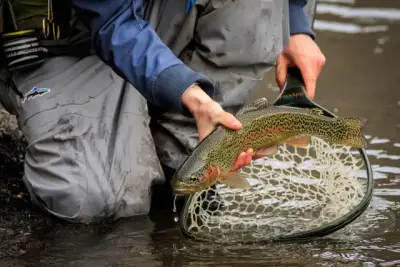 Rainbow Trout 58 states & provinces
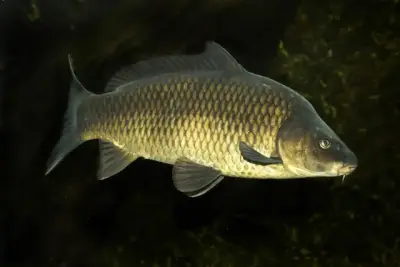 Common Carp 56 states & provinces
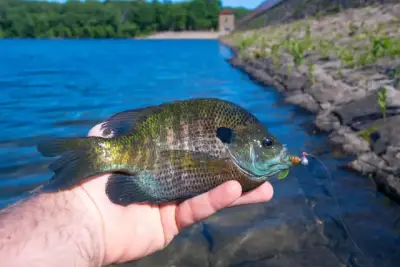 Bluegill 55 states & provinces
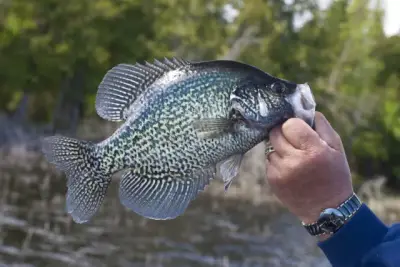 Crappie 53 states & provinces
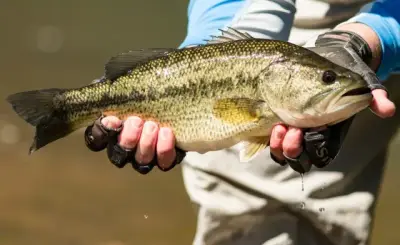 Largemouth Bass 53 states & provinces
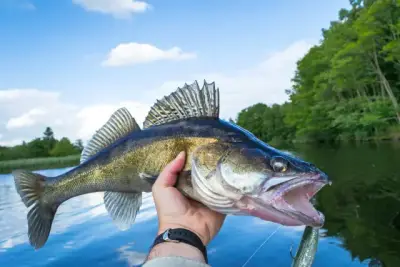 Walleye 53 states & provinces
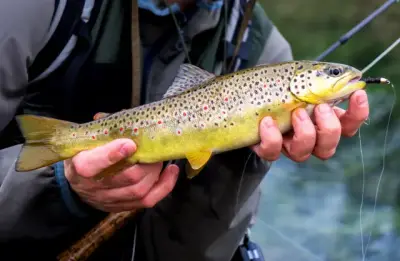 Brown Trout 52 states & provinces
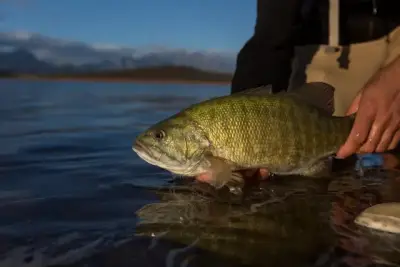 Smallmouth Bass 51 states & provinces
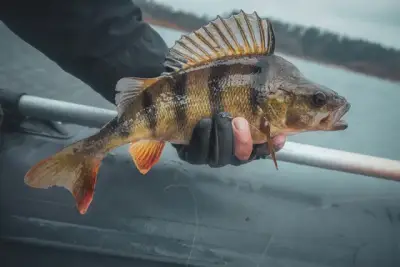 Yellow Perch 50 states & provinces
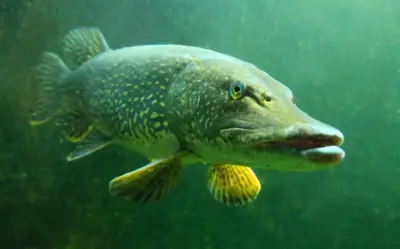 Northern Pike 46 states & provinces
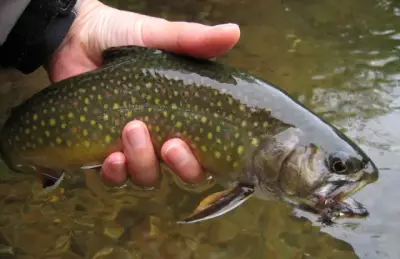 Brook Trout 45 states & provinces
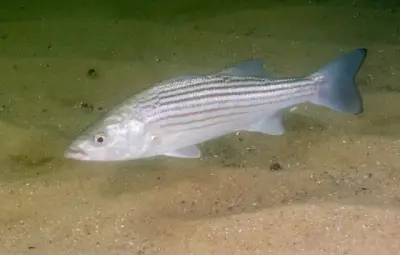 Striped Bass 42 states & provinces
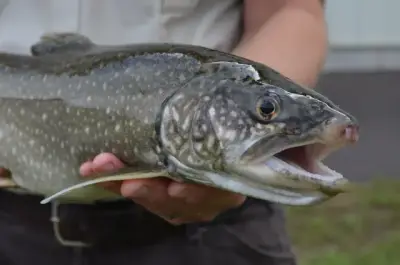 Lake Trout 32 states & provinces
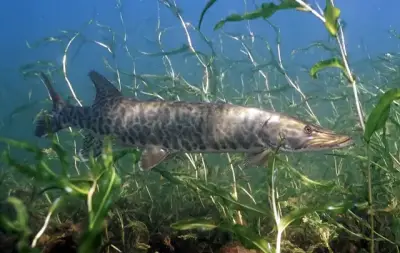 Muskellunge 32 states & provinces
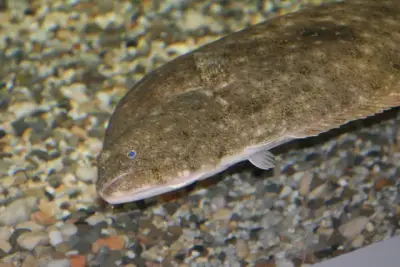 Flounder 28 states & provinces
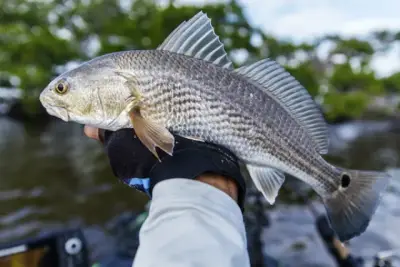 Red Drum 14 states & provinces
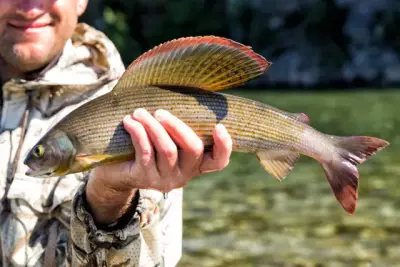 Arctic Grayling 12 states & provinces
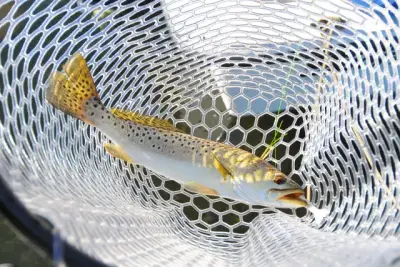 Spotted Seatrout 12 states & provinces
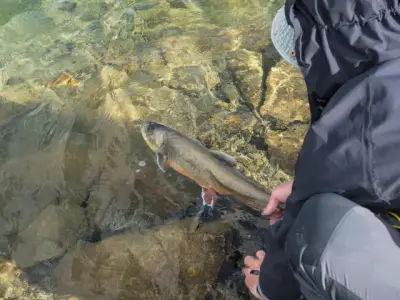 Arctic Char 9 states & provinces
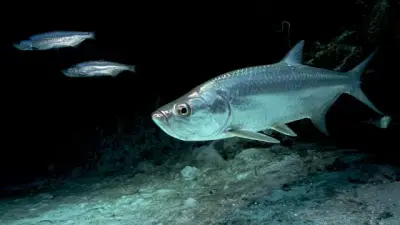 Tarpon 9 states & provinces
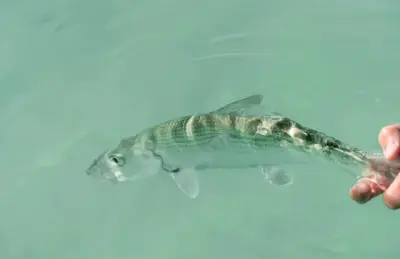 Bonefish 2 states & provinces
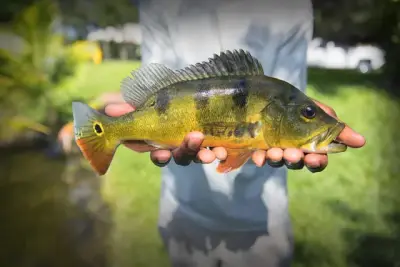 Peacock Bass 2 states & provinces
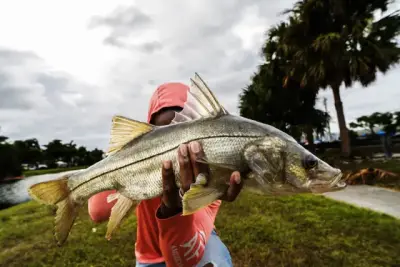 Snook 2 states & provinces
Check your regulations before you go. Seasons, size limits, slot limits, bag limits and access rules change and vary by individual water body. Confirm the current rules with the relevant state or provincial fish and wildlife agency.