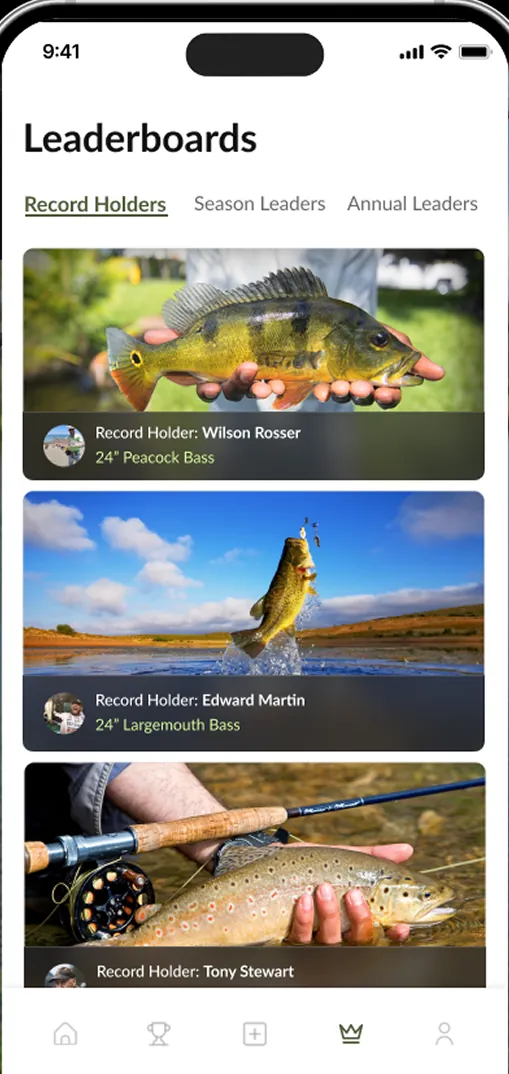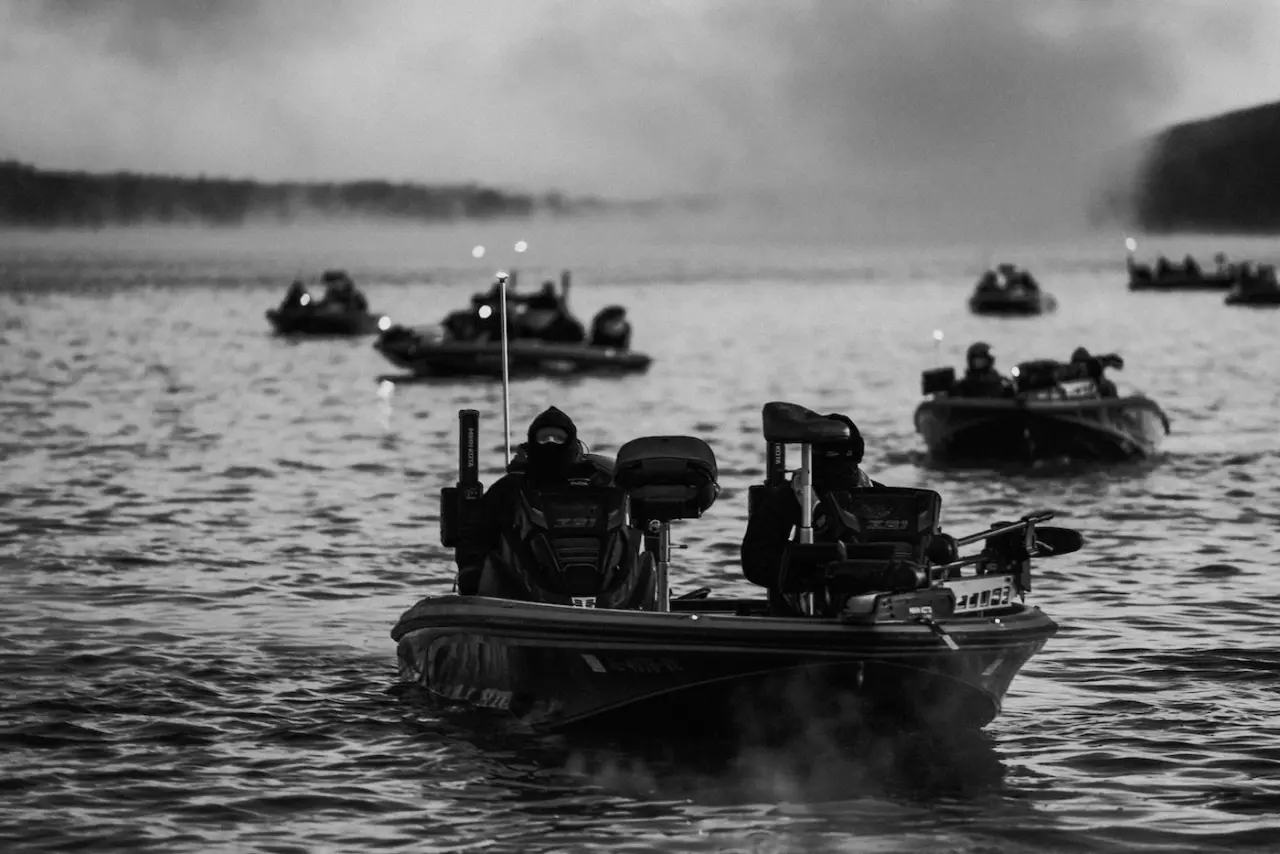
There are more bass tournaments in the United States than every other species combined, and the overwhelming majority of them require a boat, a trailer, a tow vehicle and an entry fee. For an angler who fishes from the bank or a kayak — which is most anglers — the organised side of bass fishing has essentially nothing on offer.
Three separate weekly bags run here, scored on length, with no boat requirement of any kind.
Tournaments you can enter
3 Weekly Bags · best five fish by length Mon–Sun · a new week every Monday Catch and release · measured from your photo
Multi-species slams
A slam is three species inside the same Monday-to-Sunday week, one of each. Miss one and you do not post a score, which makes it a different problem from a bag.
Three species, three separate boards
Largemouth Bass is the most fished freshwater gamefish in North America and the board with the most competition. It runs in 53 states and provinces.
Smallmouth Bass is a genuinely different fishery — rivers, rock, clear water and cold — and a big smallmouth is a harder deliberate catch than a big largemouth almost anywhere they overlap.
Striped Bass covers two fisheries that share a board: the Atlantic migratory run from Maine to the Carolinas, and the landlocked reservoir fish in Texoma, Cumberland, Smith Mountain and the desert lakes.
Length, not weight — and why that changes the sport
Weight is why a bass tournament needs a livewell, a ramp, a scale and a stage. It is also why fish are held for hours on hot days, and why delayed mortality is a real and measured problem in summer tournaments.
Length removes the entire apparatus. The app measures the fish from your photograph, you release it where you caught it, and the fish is back in the water inside a minute. Nothing is transported and nothing is kept.
A five-fish bag that culls itself
Your best five fish by length make up your bag, and once it is full a better fish automatically replaces your shortest — you do not have to manage it or decide anything on the water.
The week runs Monday through Sunday, so a weekend angler and someone who fishes an hour after work are both in. Miss a week and the next one starts clean.
Common questions
Can I fish a bass tournament without a boat?
Yes. That is the central difference here — scoring on length from a photograph removes every reason a tournament would need a ramp or a weigh-in.
Is it largemouth only?
No. Largemouth, smallmouth and striped bass each run their own separate weekly bag with their own leaderboard.
What stops someone inflating a measurement?
The length is read from the image rather than typed in, the species is proposed by the app from the same photo, and every entry is visible to every other competitor and can be reported.
Does it cost anything to enter?
No. Free to download and free to compete. Paid tiers add a fishing log and custom tournaments and are sold only through the App Store.
It is not just one fish, and it is not just one state
23 species have a tournament running — 22 weekly bags and 4 multi-species slams — open across all 50 US states and 13 Canadian provinces. Whichever of these you actually fish for, there is a leaderboard for it this week.
 Rainbow Trout 58 states & provinces
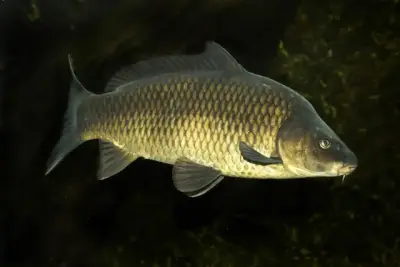 Common Carp 56 states & provinces
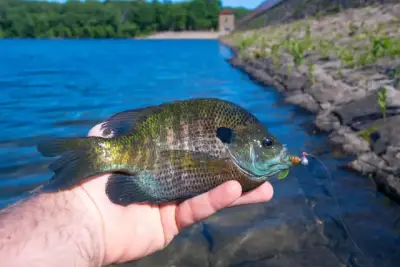 Bluegill 55 states & provinces
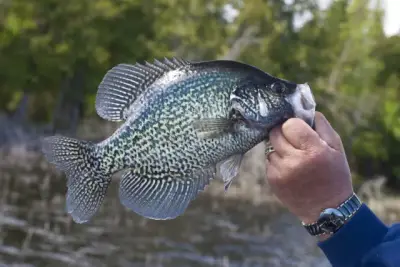 Crappie 53 states & provinces
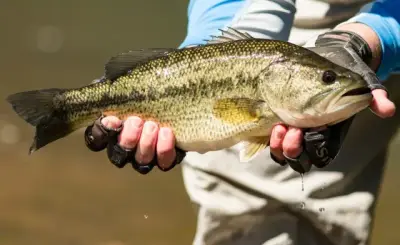 Largemouth Bass 53 states & provinces
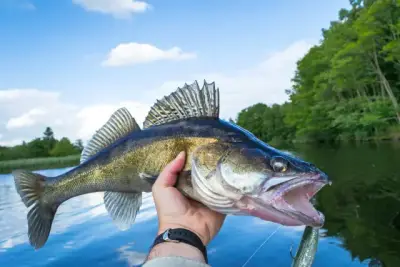 Walleye 53 states & provinces
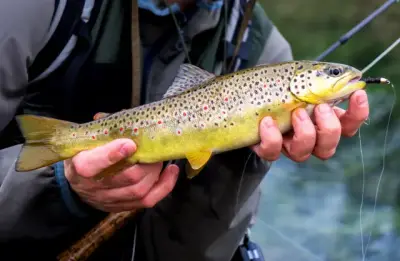 Brown Trout 52 states & provinces
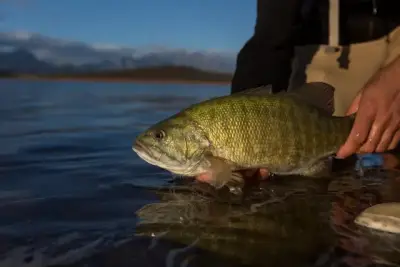 Smallmouth Bass 51 states & provinces
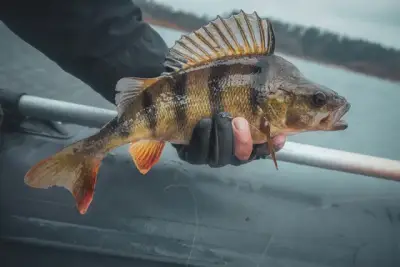 Yellow Perch 50 states & provinces
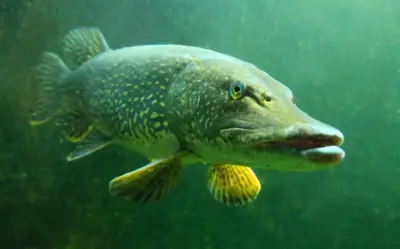 Northern Pike 46 states & provinces
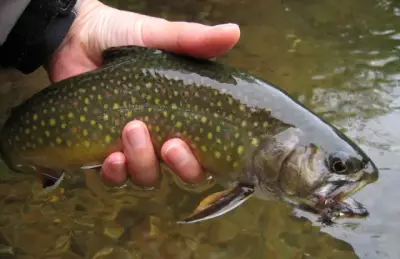 Brook Trout 45 states & provinces
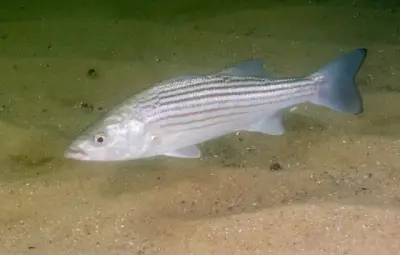 Striped Bass 42 states & provinces
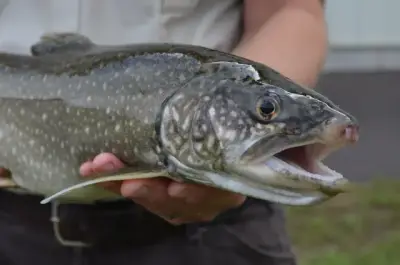 Lake Trout 32 states & provinces
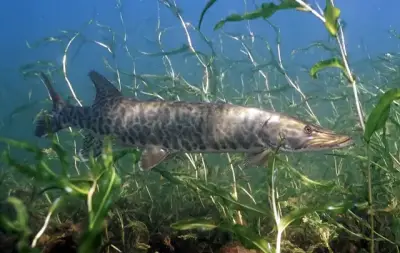 Muskellunge 32 states & provinces
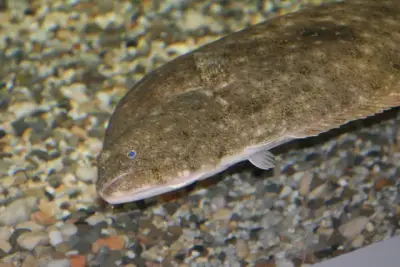 Flounder 28 states & provinces
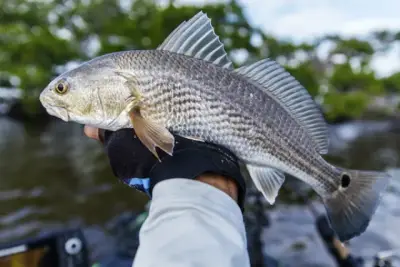 Red Drum 14 states & provinces
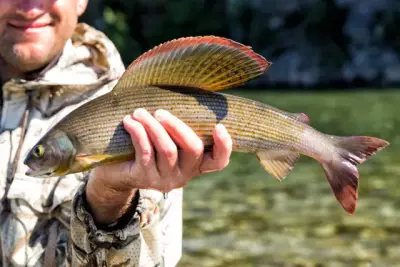 Arctic Grayling 12 states & provinces
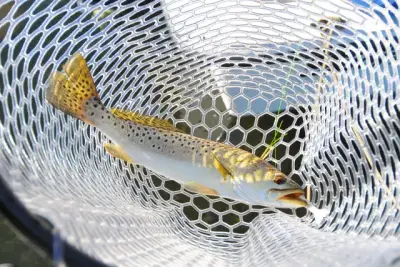 Spotted Seatrout 12 states & provinces
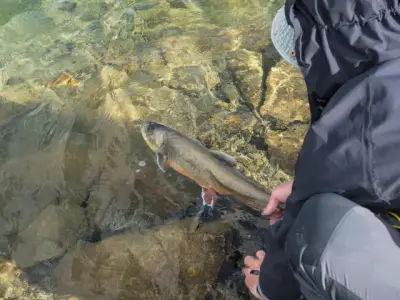 Arctic Char 9 states & provinces
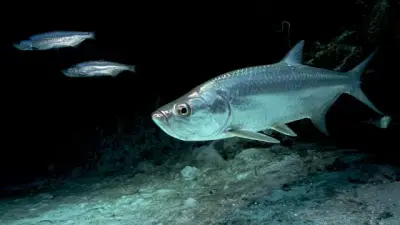 Tarpon 9 states & provinces
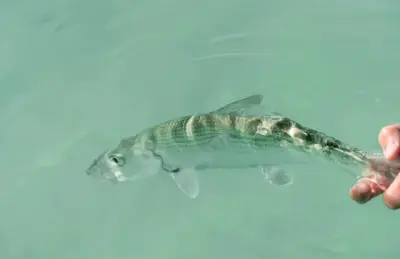 Bonefish 2 states & provinces
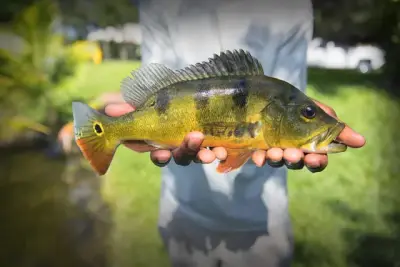 Peacock Bass 2 states & provinces
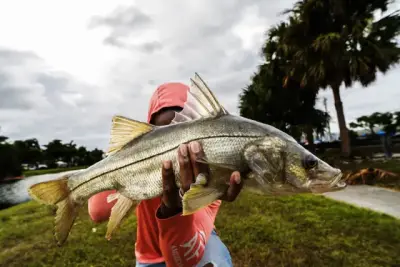 Snook 2 states & provinces
Check your regulations before you go. Seasons, size limits, slot limits, bag limits and access rules change and vary by individual water body. Confirm the current rules with the relevant state or provincial fish and wildlife agency.